

“Het is de harmonie van de verschillen
”Dat is de rijkdom van het leven”
De afgelopen maanden, sinds het verschijnen van het vorige tijdschrift, is er zoveel gebeurd dat het onmogelijk lijkt om ook maar een glimp te geven van de rijkdom aan gebeurtenissen. Erover praten of erover schrijven zou slechts een oppervlakkige schets zijn, waardoor het voelt alsof ik een veel te magere indruk geef.
Yoginâm schrijft in de inleiding van *Abbah Unveiling*:
“Wij zijn de scheppers van onze menselijke leefwereld. Wij zijn een oneindigheid die het bestaan schept dat zich aan het ontvouwen is. Onze handelingen, gedachten, emoties, overtuigingen, idealen en meningen zijn de instrumenten waarmee wij scheppen.”
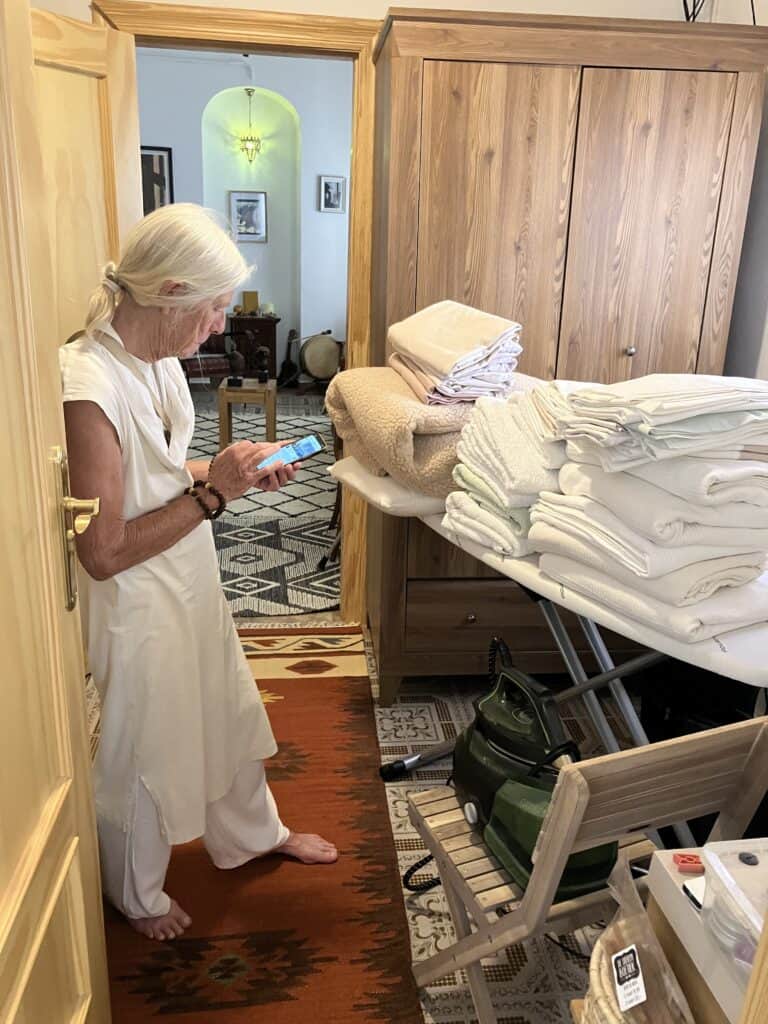
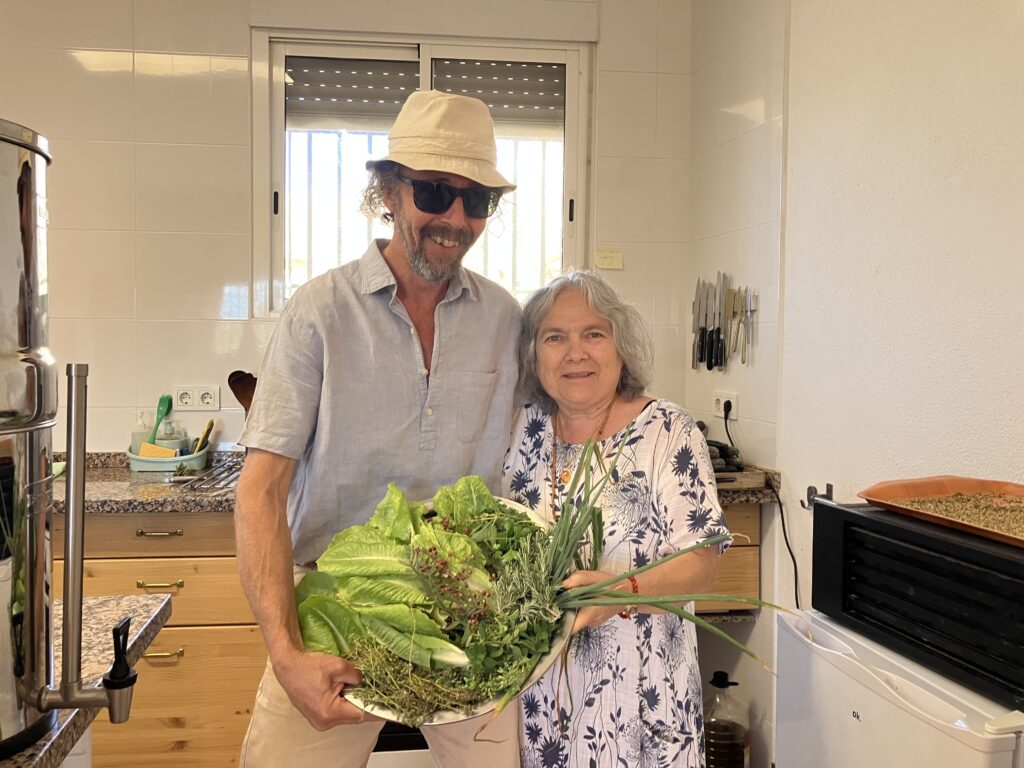
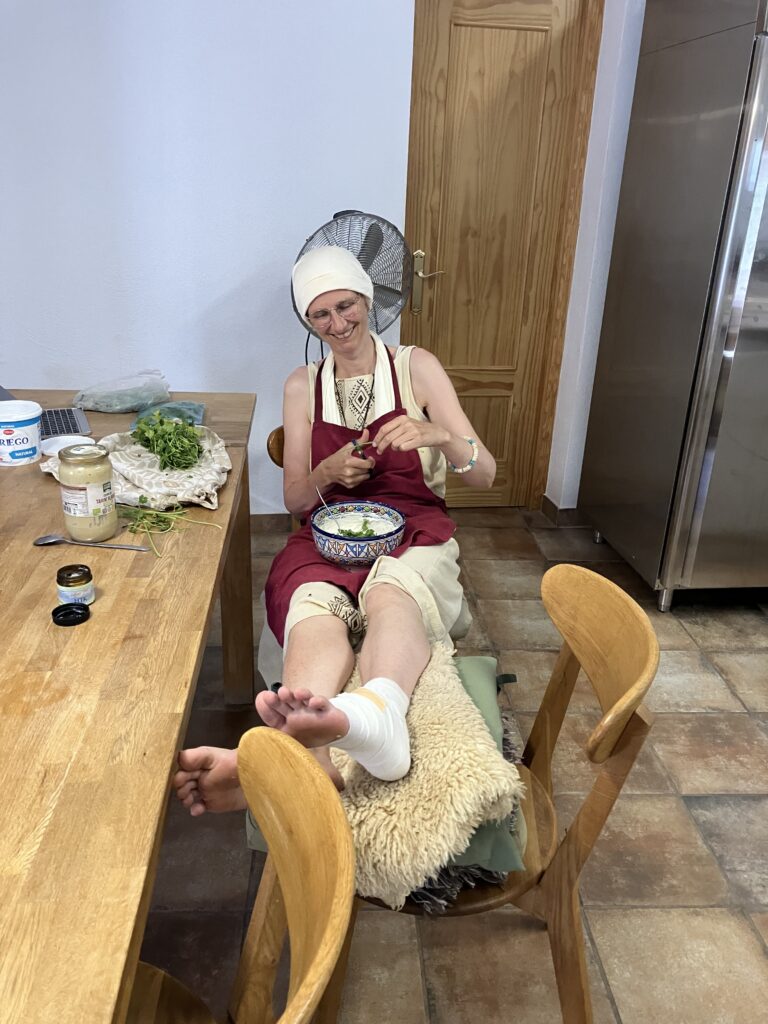
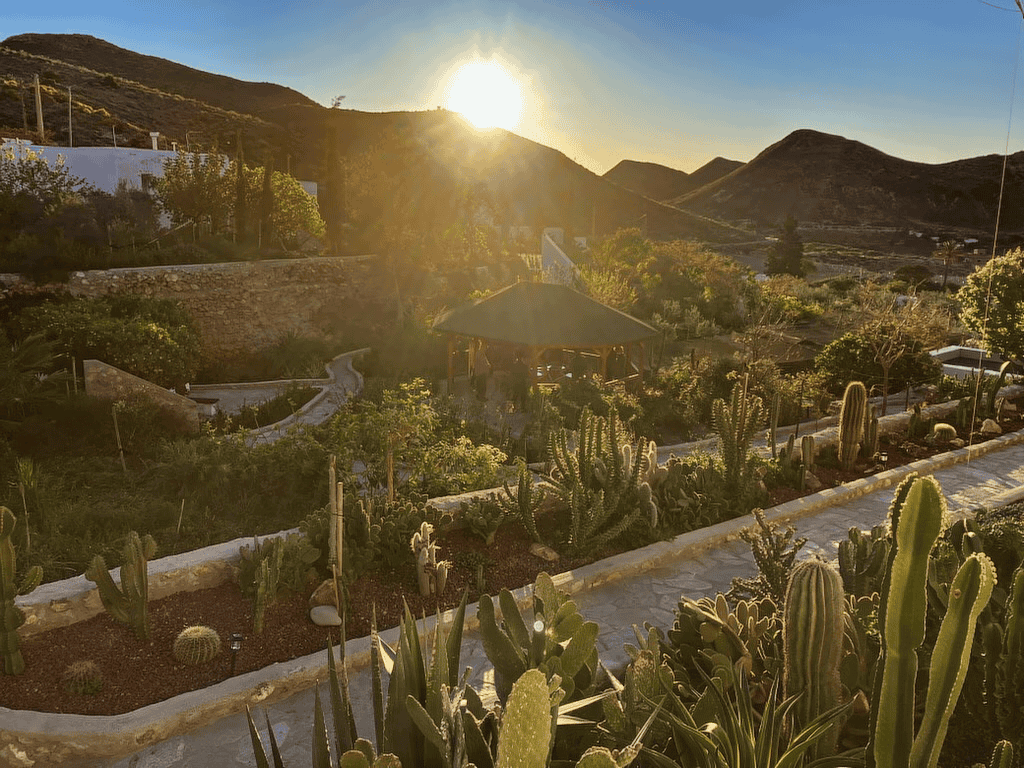
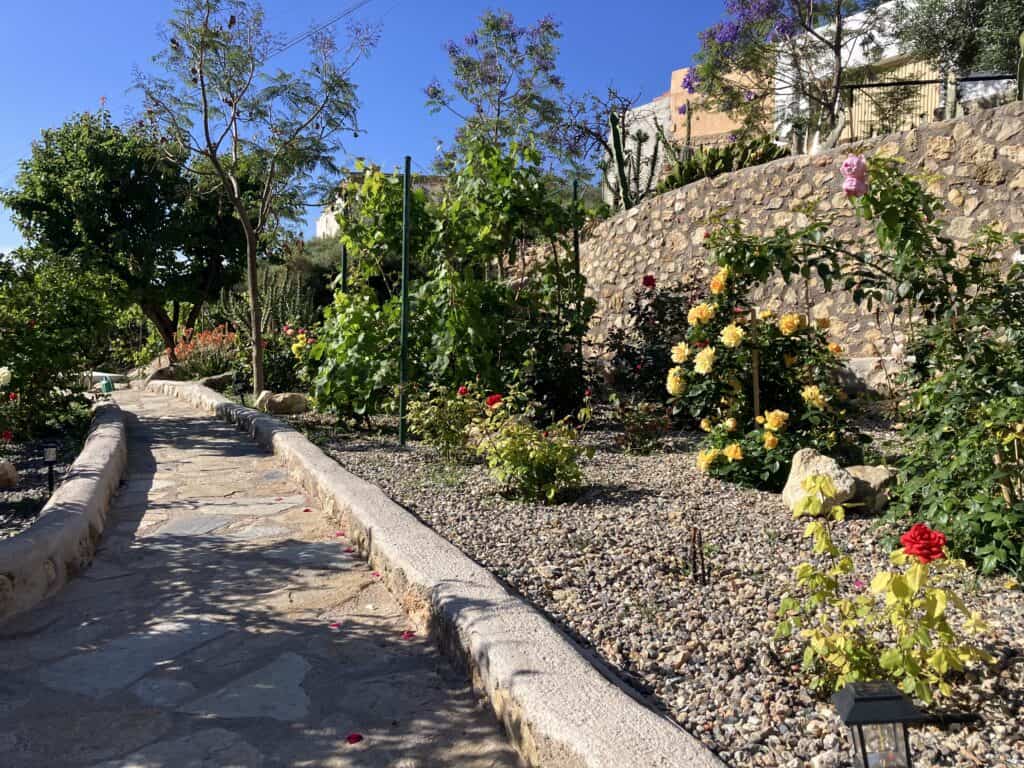
Stel je de werkelijkheid, de schoonheid en de uitgestrektheid hiervan eens voor, en je krijgt een idee van wat het betekent om in de Tuin van Nâm te leven. Hoe beleef je dat, hoe draag je dat met je mee, hoe ga je daarmee om? Het leven in Nâm draait niet om het doen van meditaties, het ontvangen van gasten, het onderhouden van een tuin en het organiseren van evenementen. Dit zijn slechts de dagelijkse activiteiten waarmee we onze menselijke manier van leven vormgeven. Wat er echt toe doet, zijn de houdingen en het gedrag waarmee we ernaar streven optimaal te leven, waarmee we ons leven en uiteindelijk onszelf vormgeven.
Vrede
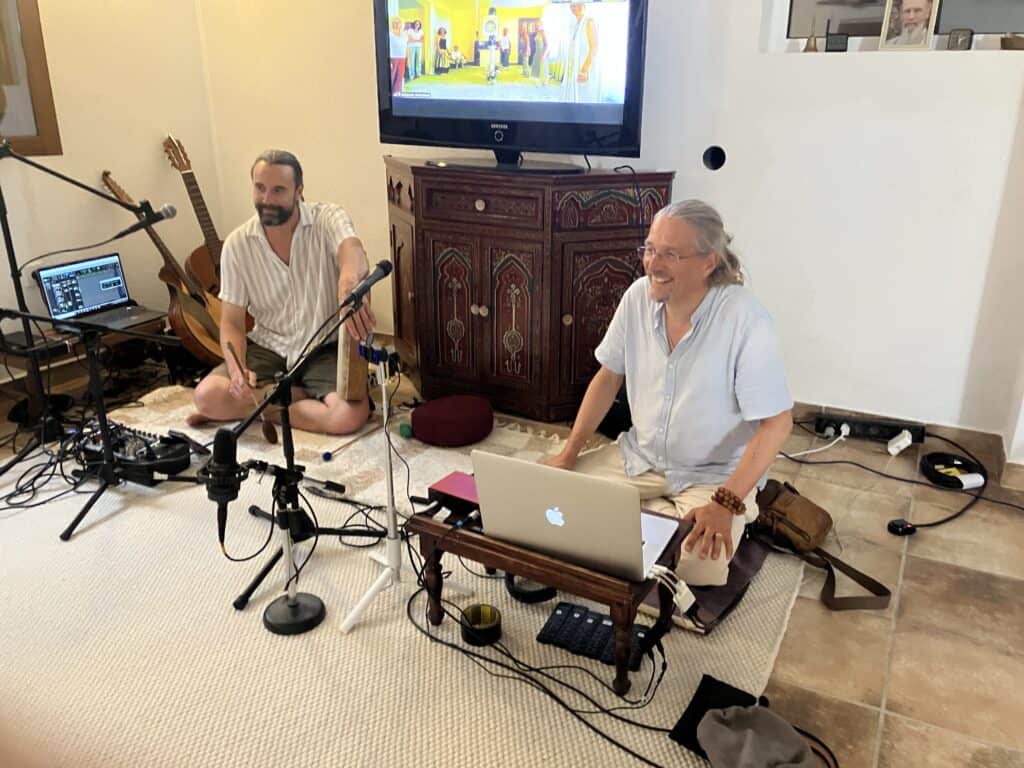
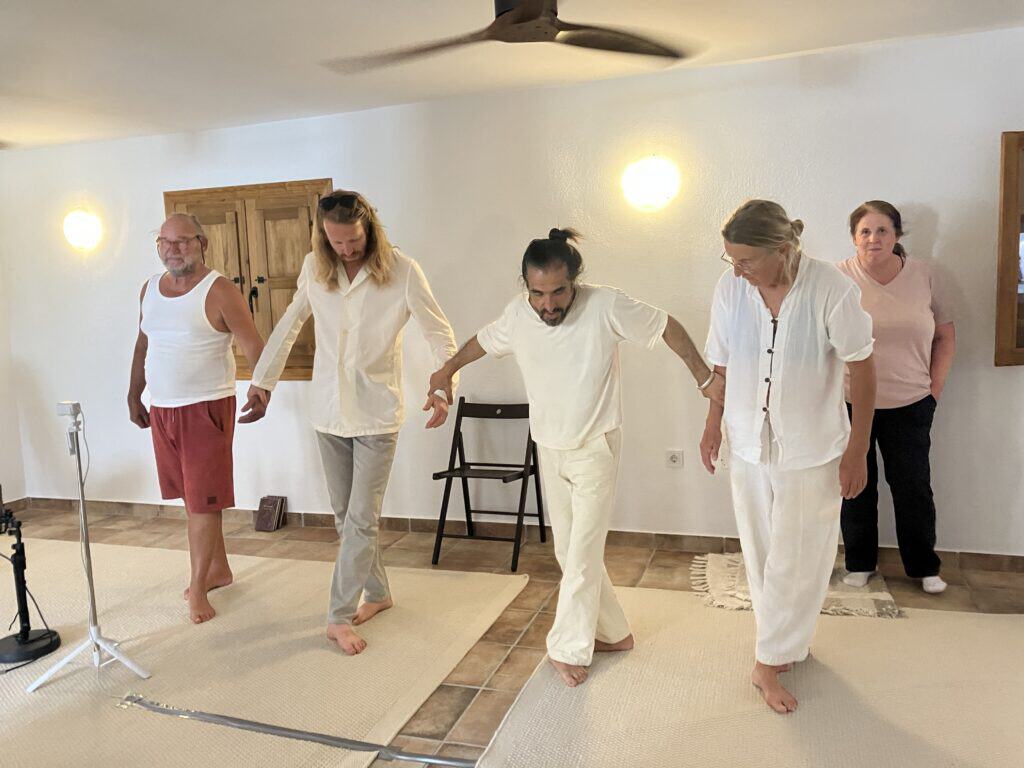
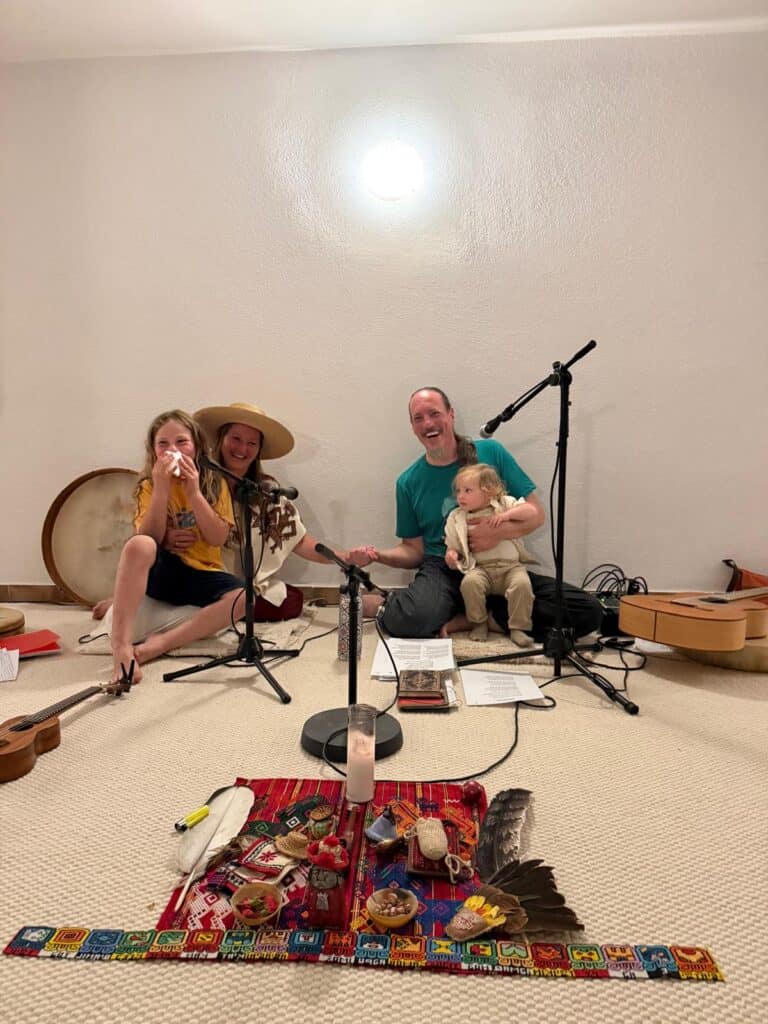
Zo hebben we bijvoorbeeld een Vredesfestival georganiseerd. Een prachtig evenement met zoveel verschillende mensen. Mensen van alle leeftijden en uit alle lagen van de bevolking kwamen samen om vrede te vieren, te herdenken, te vinden en te creëren. Het was voor ons nieuw om een festival te organiseren. We hadden nog nooit zoveel mensen tegelijk vier dagen lang in de Tuin te gast gehad. De helft van ons personeel was om verschillende redenen arbeidsongeschikt. Een heel interessante situatie! Het thema van het festival zette me aan het denken…
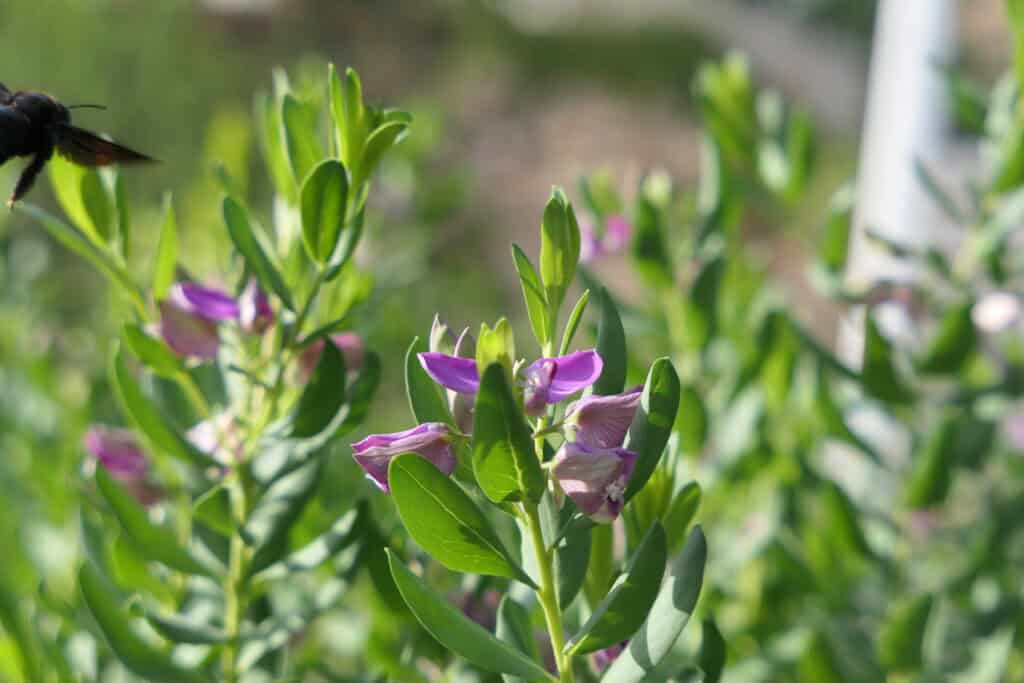
Wat dacht je van vrede?
In *Fragments of Voice* schrijft Yoginâm: “Als je vrede wilt, creëer dan vrede!” Hoewel het misschien wat hard klinkt, is het een zeer nuttig advies. Want hoe vaak proberen we geen vrede te vinden op manieren die eigenlijk niet tot vrede leiden? Door ruzie te maken, door anderen te behagen, door te oordelen of door naar bevrediging te zoeken? Vrede stichten betekent een vredig mens worden. Om dat na te streven, te begrijpen en echt te voelen, is tijd en inspanning nodig. Hiervoor biedt LivingNâm hulpmiddelen en een optimale omgeving, zodat je voor jezelf kunt ontdekken wat optimaal leven voor jou betekent.
Snurken
Ik herinner me dat ik op een dag ontdekte hoe heilzaam dit kan zijn. Yoginâm was op bezoek bij Asharum Amonines in België. Er waren zoveel mensen bijeengekomen dat er bij lange na niet genoeg ruimte was om iedereen een kamer te geven. Velen hadden een matje en een slaapzak meegenomen om een plekje op de vloer in de meditatieruimte te vinden. Op een nacht doemde er een enorm obstakel op in de vorm van een bekwame en toegewijde snurker, die naast me lag en de dakspanten deed trillen. Ik merkte dat ik me behoorlijk ergerde. Maar geïrriteerd zijn in een meditatieruimte voelde toch een beetje tegenstrijdig. Dus probeerde ik in praktijk te brengen wat volgens mij de essentie van het Asharum was.
Ik besefte dat het mijn houding ten opzichte van het snurken was die me stoorde en dat ik vrede moest sluiten met dit verschijnsel. Dus in plaats van er met afkeer naar te kijken, kon ik proberen er iets in te vinden dat ik kon accepteren. Ik moest denken aan hedendaagse klassieke muziek. Eerder had ik geleerd om experimentele kunstmuziek te waarderen, die zo heel anders klinkt dan de beroemde composities van vroeger.
Dus besloot ik ernaar te luisteren alsof ik in een concertzaal zat en nieuwe harmonieën, ritmes en melodieën ontdekte. En toen gebeurde er iets grappigs: de volgende ochtend werd ik volkomen ontspannen wakker, met een gevoel van tevredenheid. In de jaren daarna heb ik nog van een aantal snurkconcerten genoten en kon ik de snurkers verzekeren dat ze me een plezier deden.
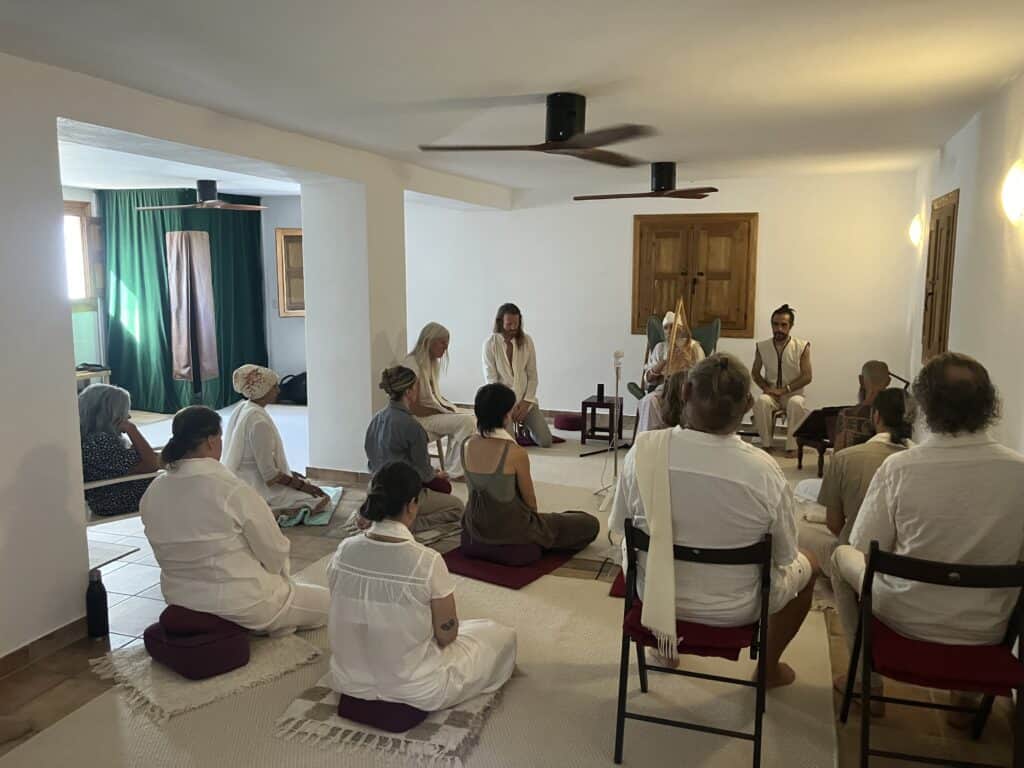
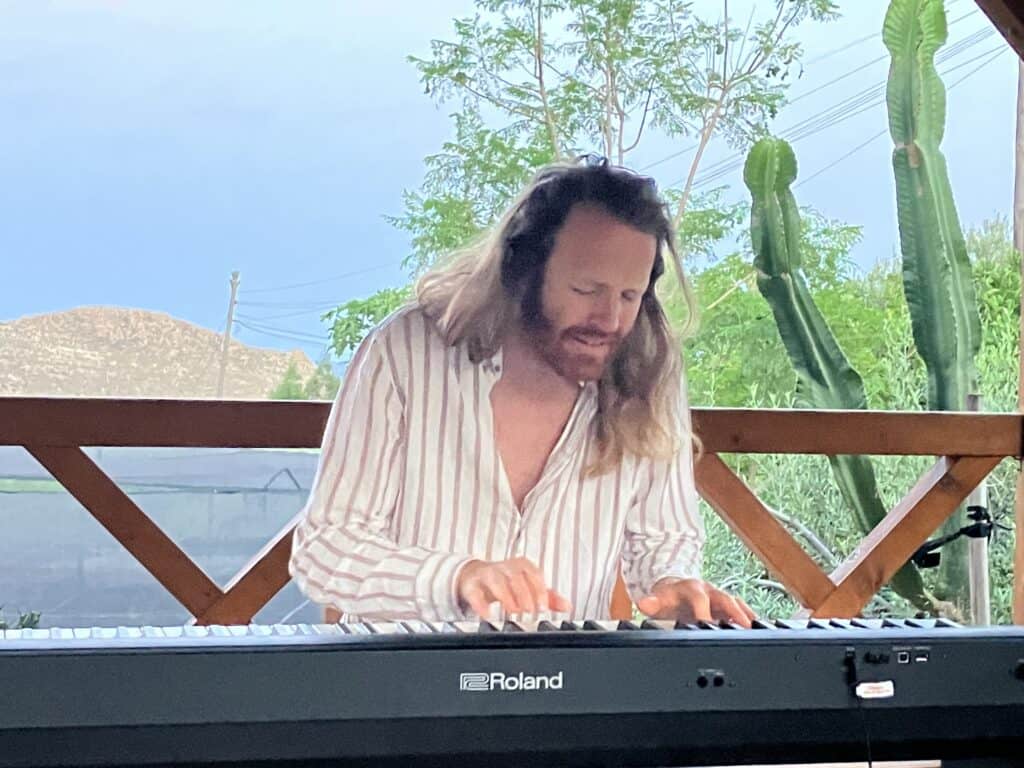
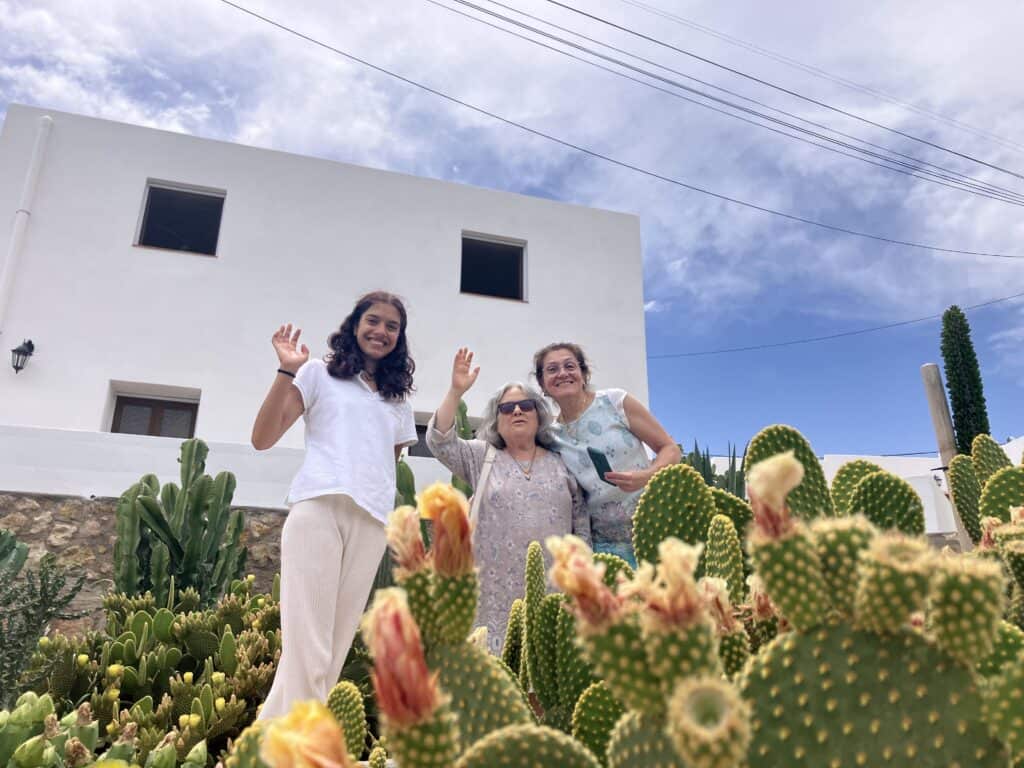
In die bijzondere situatie en in die bijzondere omgeving begon ik te ontdekken wat Yoginâm bedoelt met “vreedzame aanvaarding”. Een bevestigende houding die het daadwerkelijk mogelijk maakt om ‘vrede te bewerkstelligen’. Het is alsof je ‘Ja!’ zegt terwijl je in een rivier springt om te gaan zwemmen. Het is de houding om het leven optimaal te leven zoals het zich ontvouwt.
Het was een gedicht dat me destijds inspireerde om vrede te sluiten met het snurken, simpelweg door mijn houding ertegenover te veranderen. Ter afsluiting van het dagboek van deze maand wil ik het graag met jullie delen. Niet als een waarheid om in te geloven, maar als een uitnodiging om op ontdekkingstocht te gaan. Voor mij zijn in dit gedicht ‘Hij’ en ‘Jij’ de onkenbare totaliteit of het leven zelf. En ‘Abbah’ een anker om me te verhouden tot de uitgestrektheid en intimiteit daarvan.
Laat Uw wil geschieden
„Ja,” zei ik tegen hem, „ja, kom maar!”
Kom, wat Uw wil ook moge zijnWat maakt mijn mening nou uit?
Toen nam Hij mij bij de hand
En leidde mij stap voor stap naar Zijn rijkHet was mijn waanvoorstelling die me aan het twijfelen bracht
Is dit goed? Is dit slecht?Maar goed, wat Uw wil ook moge zijn
En Hij tilde me op, o zo zachtjes
En ik kwam in het paradijs terechtIk liep door rijen bomen
Vrolijk in hun handen klappendBogen van gele en rode rozen
Overal zag ik geweldige geliefden
Verenigd in Uw lichtIk heb Jezus, Boeddha en Junayd gezien
Samen dansen in grote cirkelsPlaneten die vol vreugde Uw zon vieren
Wat is eigenlijk nog het nut van religie en theologie?
Wat is het nut van ‘dit of dat’?Ik heb een heel leven lang met hen rondgedraaid
Al mijn onzinnige gedachten heb ik verjaagdVanaf nu en vanaf alle bergtoppen
Met mijn armen wijd uitgespreid zing ik onophoudelijkO grote Liefde, kom, ja, kom
Wat Uw wil ook moge zijnO, Abbah
(uit: Yoginâm, 101 mystieke gedichten)