


“It is the harmony of the differences
Which is the richness of Life”
The last few months, since the release of the last journal, so many things have happened that it seems impossible to share a glimpse of the richness of events. Talking about it, writing about it, would be merely surface sketching, which feels like giving just an all to poor impression.
Yoginâm writes in the introduction of Abbah Unveiling:
“We are the creators of our human world of living. We are an infinity that creates the existence that it is becoming. Our activities, thoughts, emotions, beliefs, ideals and opinions are the tools with which we create.”
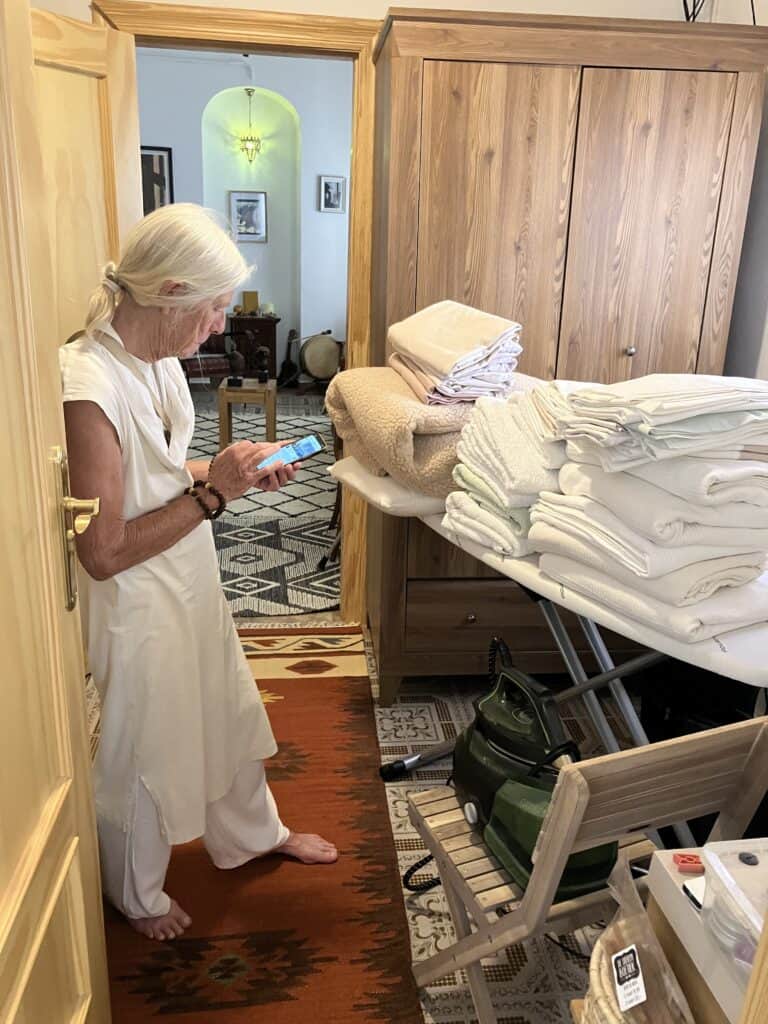
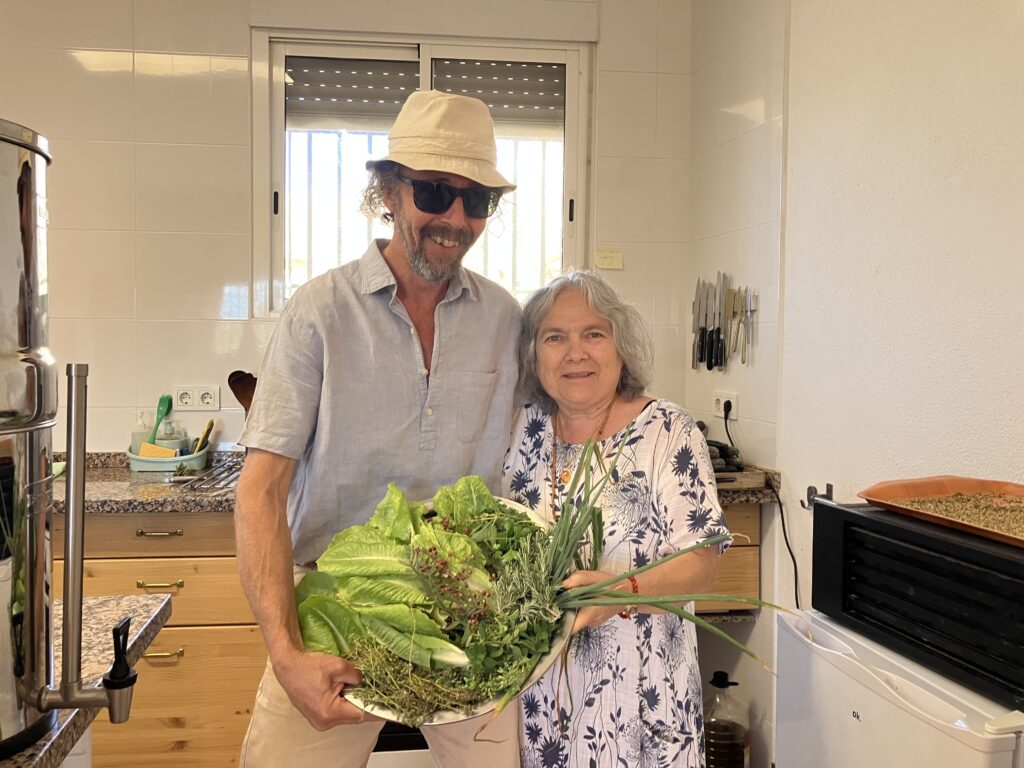
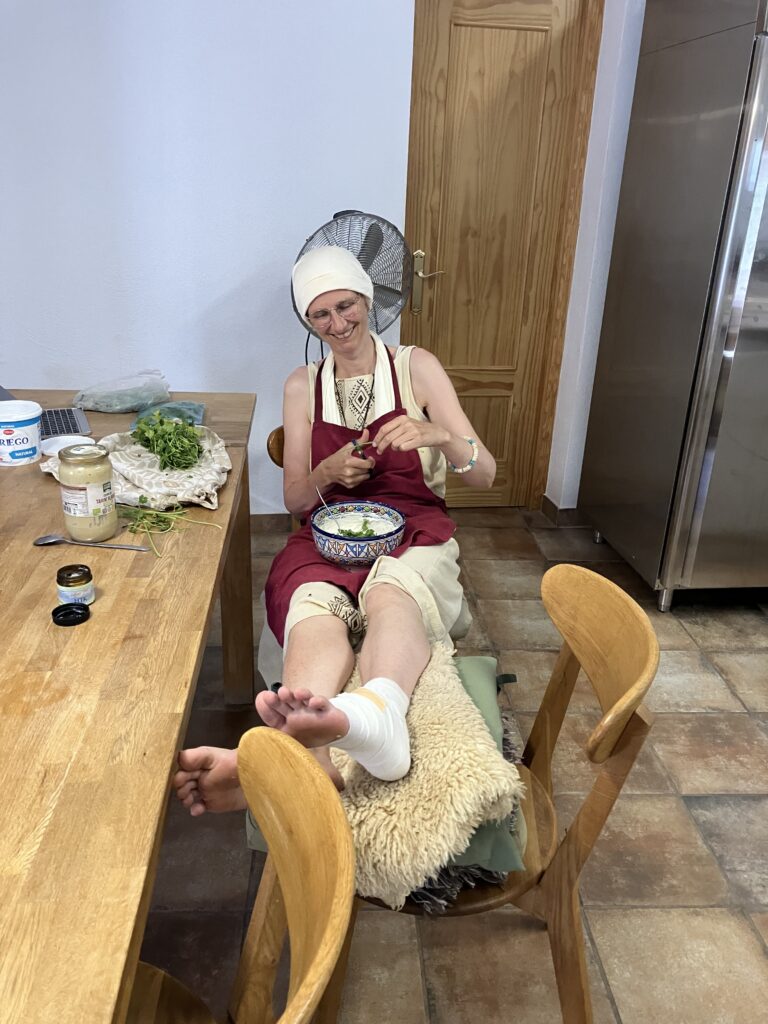
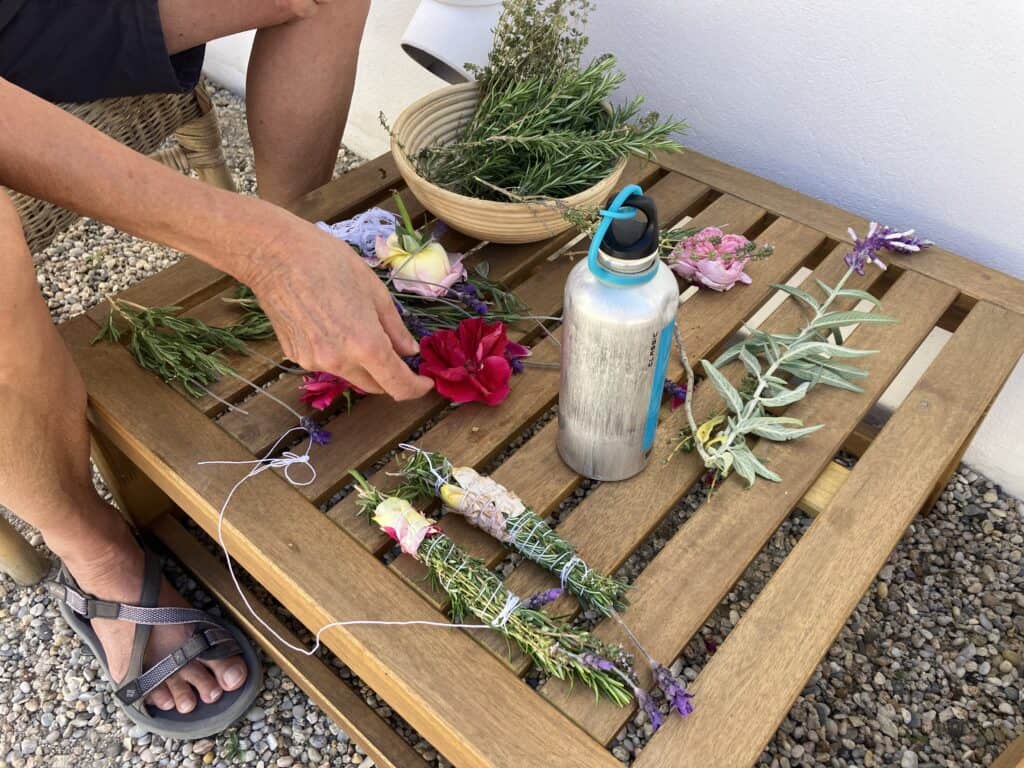
Imagine the reality, the beauty and the vastness of this and you will get an idea what living in the Garden of Nâm is all about. How do you live that, carry that, manage that? The living of Nâm is not about doing meditations, hosting guests, maintaining a garden and organising events. These are just the daily activities with which we shape our Human way of Living. What really matters are the attitudes and the behaviour with which we aim to live optimally, with which we shape our lives and ultimately ourselves.
Paz
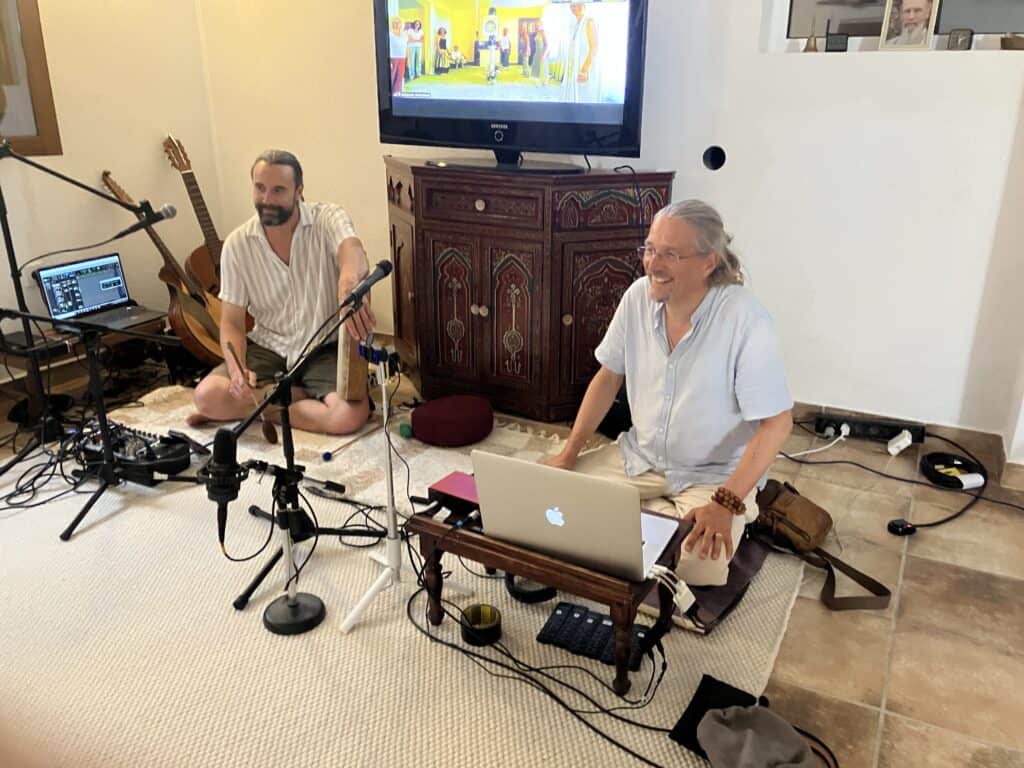
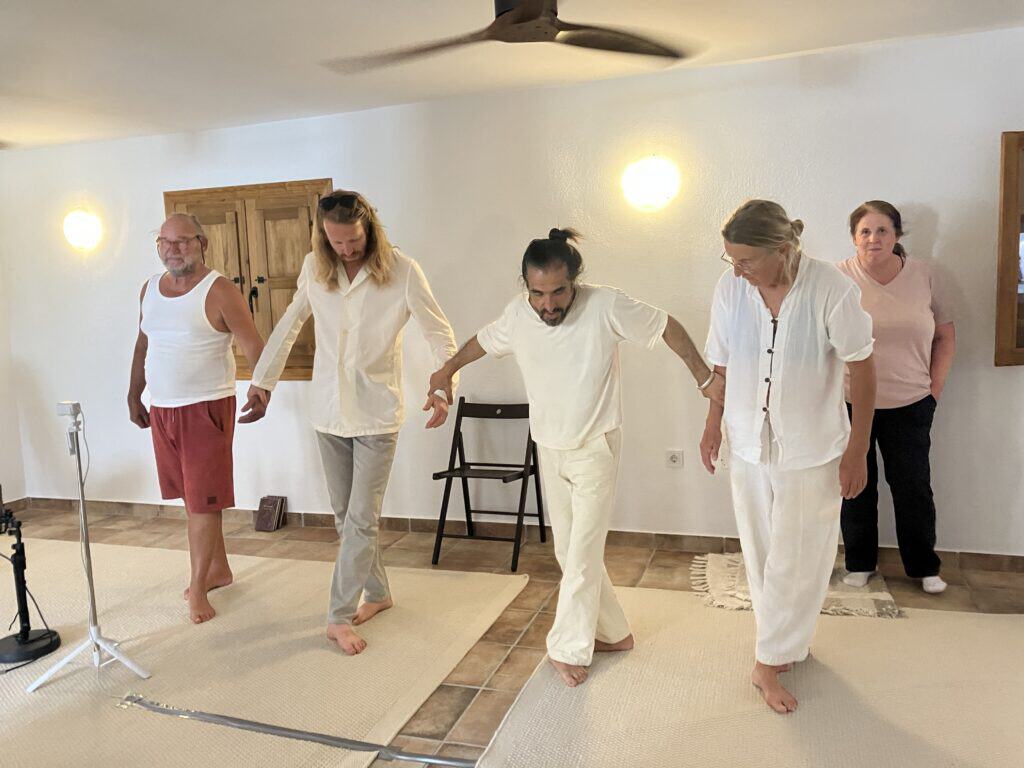
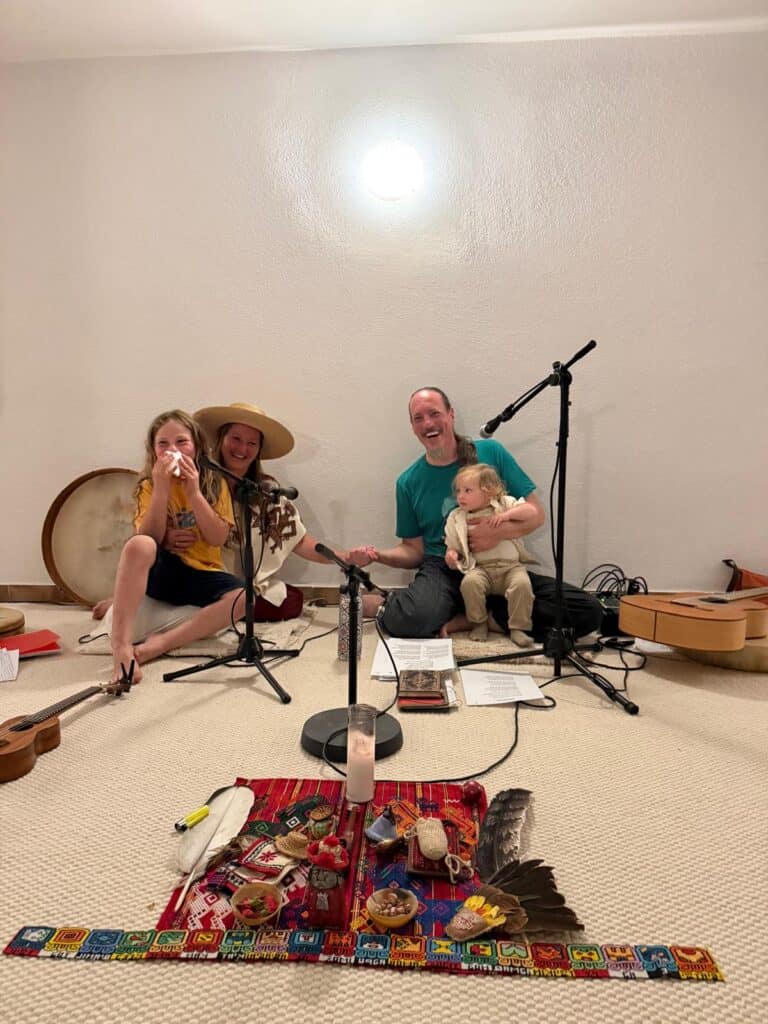
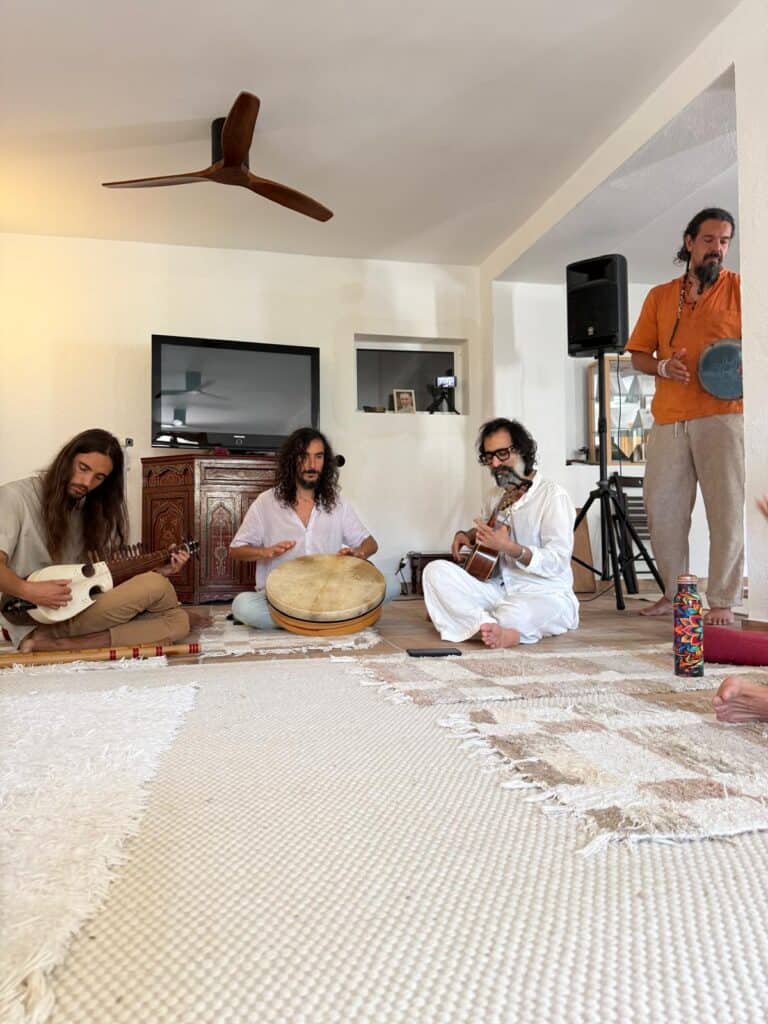
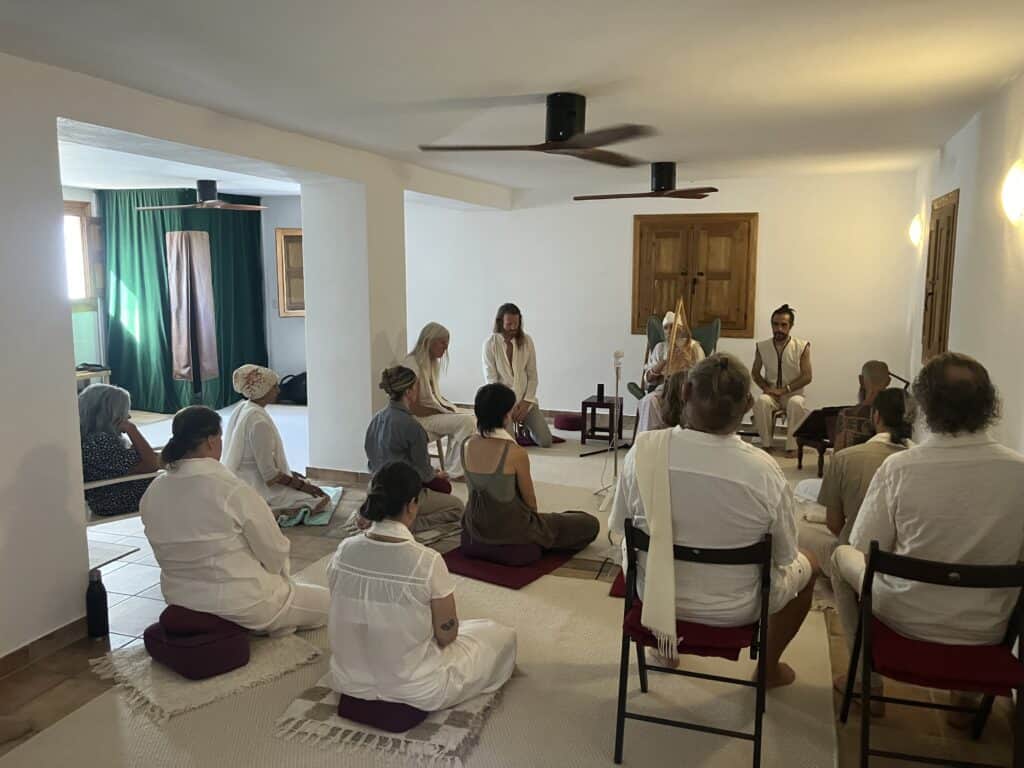
For instance, we hosted a Peace Festival. A beautiful event with so many different human beings. People from all ages and walks of life gathering together to celebrate, remember, find and create peace. It was new for us to host a festival. We never had so many people staying all at once in the Garden for 4 days. Half of our staff was disabled because of various reasons. A very interesting situation! The theme of the festival made me wonder…
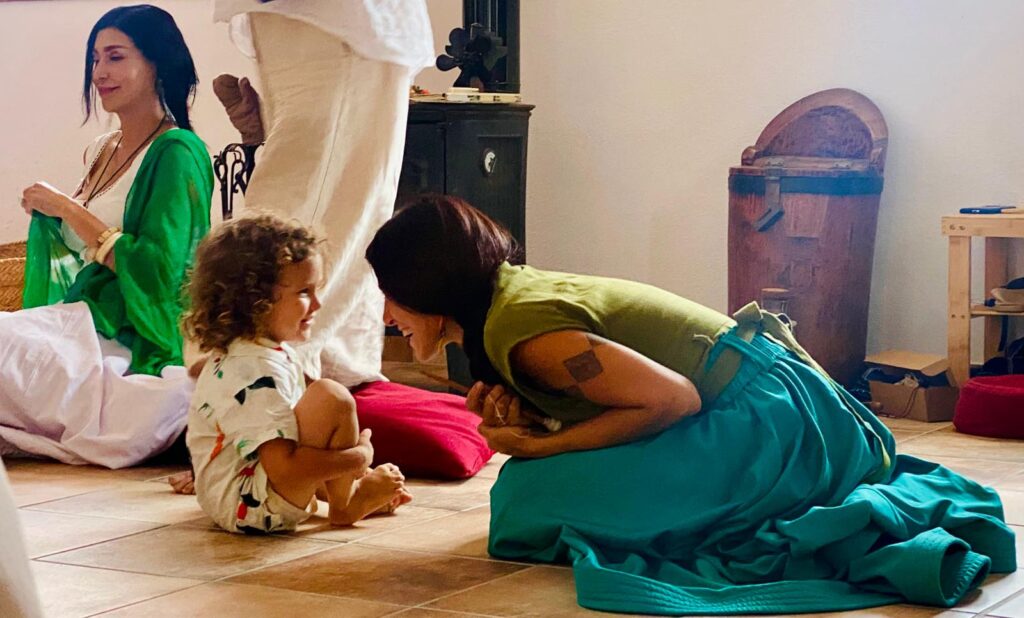
How about peace?
In Fragments of Voice Yoginâm writes: “If you want Peace, make Peace!” Although it sounds a little harsh, a very useful advise. For how often do we not try to find peace in ways that do not actually lead to peace? By quarrelling, by pleasing, by judging or by searching satisfaction? Making peace is about becoming a peaceful human being. Aiming to do that, to understand that and to really feel that requires time and effort. For this LivingNâm provides tools and optimal environments; in order to explore optimal living for yourself.
Snoring
I remember one day discovering how beneficial this approach can be. It was during a visit of Yoginâm to Asharum Amonines in Belgium. So many people came together and there was by far not enough space to provide everybody with a room. Many people brought a mat and a sleeping bag and needed to find a place on the floor. I was one of these people and to me it had something special to be able to sleep in the meditation room. But then a seemingly huge obstacle appeared in the shape of a very skilful and dedicated snorer that was laying next to me sawing big piles of logs and, as they say, rattling the windows and shaking the rafters. I had looked forward to a peaceful and energising sleep and noticed getting deeply annoyed. And then it struck me that laying there in a meditation room being irritated had something that was inconsistent. In one or another way this was a chance to put into practise what I felt that the Asharum was all about.
So I wondered: “How to deal with this?” It was already late and going somewhere else would mean disturbing other people and it would not be easy to find an available spot somewhere in a different room. I realised that it was my own attitude towards the snoring that made me disturbed and that if I wanted to sleep well I needed to make peace with the phenomenon. So in stead of looking at it in a hateful way I could try to find in it something that I could appreciate. Funny enough contemporary classical music came to mind. I had learned to at least appreciate the atonal experimental art music that sounds so different from the well known big composers of before. There were even new ways of beauty that I had discovered just by allowing the possibility that it could be beautiful in its own way.
So I decided to listen to the snoring as if I was in a concert-hall discovering new harmonics, rhythms and melodies. And then the funny thing happend, I woke up the next morning completely relaxed and with a feeling of contentment. In the years that followed it happened a few times that I was able to enjoy another snoring concert and being able to assure the snorer that he was doing me a favour.
What I had started to discover in that special situation and in that special environment, is what I believe Yoginâm means with “affirmation”. Faced with the snoring there is no use in denying what is happening or cloaking it in comforting thoughts and justifying explanations. It is up to me to make something out of it. Something memorable that contributes to harmony because with that I am shaping my self and the world. With an attitude of peaceful acknowledgement I enable myself to be someone who is actively doing peace within my modest world of creation. It is like saying ´Yes!´ while jumping into a river in order to swim. It is the attitude of living life optimally as it manifests itself.
This reminds me of a poem that inspired me at the time to make peace with the snoring incident, simply by changing my attitude. For me, in this poem, ´He´ and ´You´ are the unknowable totality of life itself. And ´Abbah´ an anchor to relate to the vastness and intimacy of that.
To conclude this months journal I would like to share this poem with you as an invitation. Not a a truth that describer reality but as an inspiration to explore.
Come whatever is Your will
Yes, I said to him, Yes, Come!
Come Whatever is your willWhat do my opinions matter
Then He took me by the hand
And led me step by step to His realmIt was my delusion that questioned me
Is this good? Is this bad?But come, come whatever is Your will
And He took me up, oh so gently
And I entered paradiseI went through lanes of trees
Clapping joyfully their handsArcades of yellow and red roses
Everywhere I saw great Lovers
United in Your lightI saw Jesus, Buddha and Junayd
Dancing together in great circlesPlanets joyfully celebrating Your sun
What any longer is the use of religion and theology
What purpose lies in ´this or that`I circled with them for a lifetime
All my nonsensical thoughts I chased awayHenceforth and from all mountaintops
My arms spread out wide, I ceaselessly singOh great Love, come, yes, come
Whatever is Your willOh Abbah
(from: Yoginâm, 101 mystical poems)